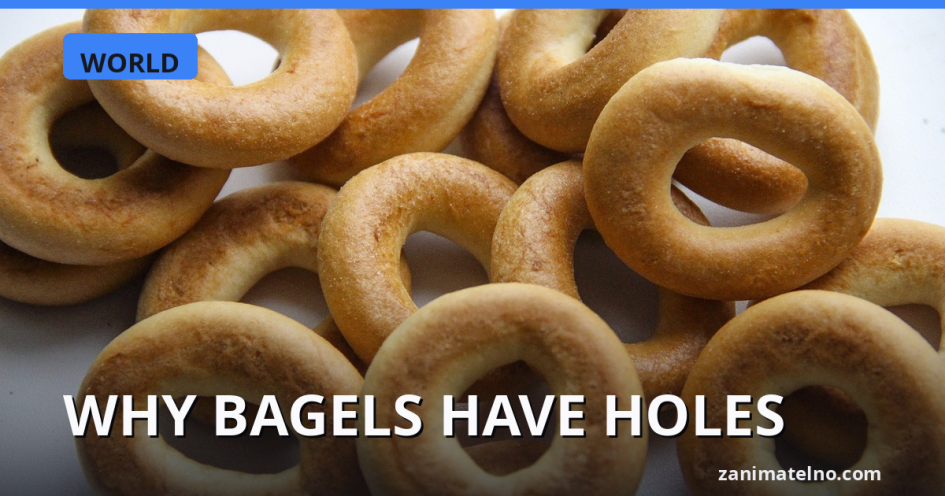
On 2 March 1394 a clerk keeping the Polish royal accounts wrote down a small purchase: “pro circulis obarzankij”, for the Queen, one penny. The queen was Jadwiga, the purchase was ring-shaped bread, and the word circulis, circles, shows the rings already had holes more than six centuries ago. The bagel is a later cousin of those Kraków rings, and the hole has been doing the same few jobs ever since.
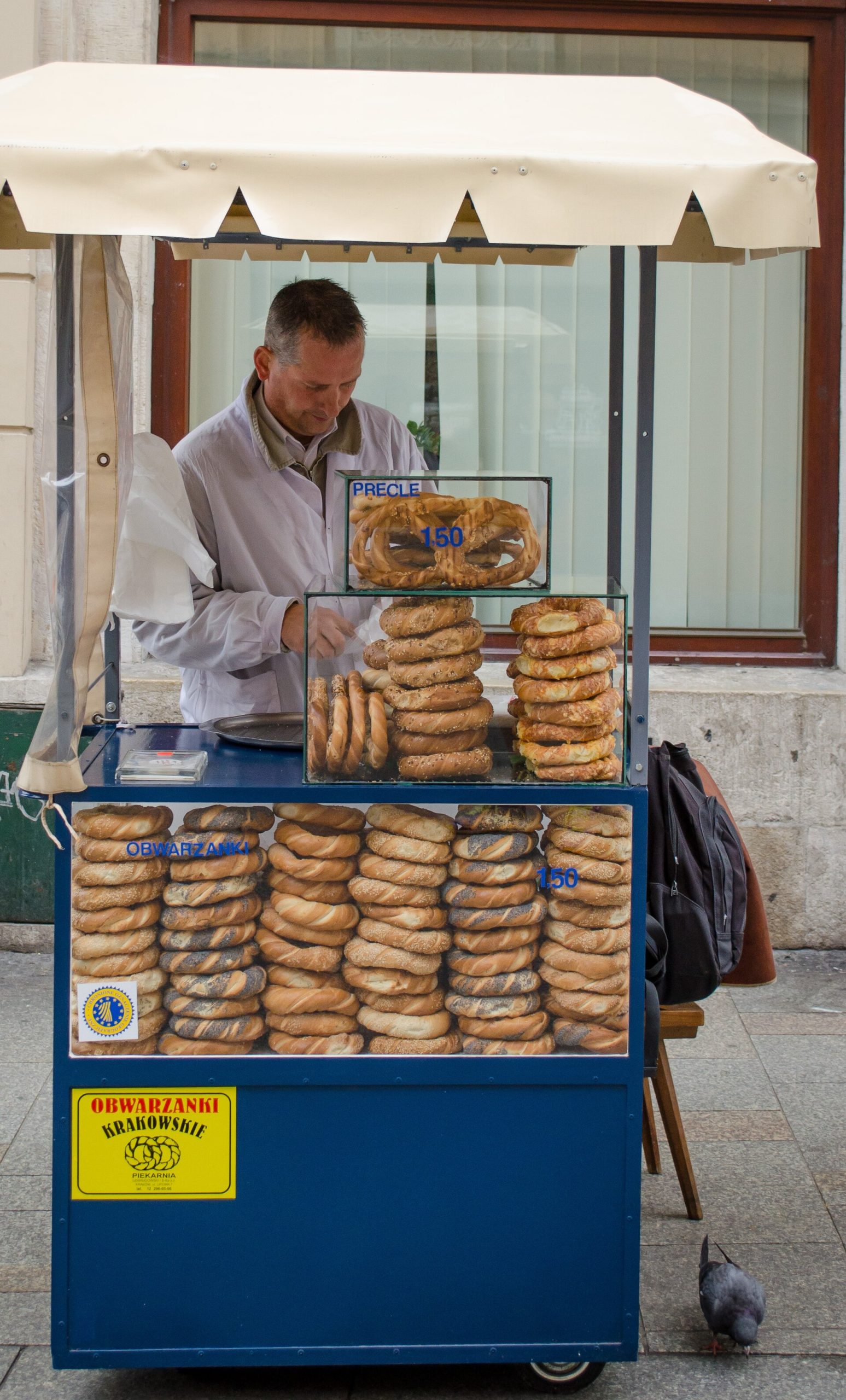
A family of holey breads
The 1394 entry is quoted by Forking Around With History, a Polish food history site, as the earliest record of the obwarzanek, the Kraków bread ring. The bagel itself turns up in writing a little over two centuries later. In 1610 the Jewish community of Kraków issued regulations that mention bagels, and this is usually cited as the first written mention of the word. What the rule actually said is disputed. Some accounts read it as limiting bagels to women who had just given birth, others as allowing them for special occasions such as circumcisions. Either way, the bagel was a treat worth regulating, not everyday bread.
The food historian Maria Balinska traced this family tree in The Bagel: The Surprising History of a Modest Bread, published by Yale University Press in 2008. Her argument, as summarised by reviewers, is that the obwarzanek was itself a round twist on the pretzel, and that the bagel grew out of that same Polish tradition.
Job one: something to hang it on
The oldest and most practical reason for the hole is carrying. A ring can be threaded. Forking Around With History, describing ring breads in general, notes that a seller “can just put his taralli on a string or a stick and peddle them in the street”, and that a customer could wear one like a bracelet if they didn’t eat it at once. A street vendor with a pole of bread rings has both hands free and a display that walks with him.
The habit crossed the Atlantic. According to Mental Floss, which cites the New York Times archive, New York bakeries strung bagels on ropes to deliver them to delis and markets until stricter food-handling rules arrived in the 1970s.
Job two: cooking a dense dough all the way through
The second reason is in the kitchen. A bagel is a dense, chewy dough, and it is boiled before it goes into the oven, which is what gives it a tight, shiny crust. Bagel makers explain the hole in terms of heat: a ring has no thick middle, so the dough cooks evenly, and the extra surface area means more of the crust people come for. A solid lump of the same dough would risk a gummy centre by the time the outside was done.
Bakers give a similar answer to the related question of why bagels are boiled at all: boiling sets the outside before baking, so the bagel keeps its shape and its chew. The hole makes sure that set crust goes all the way round, inside and out.
What the hole is not
Popular histories add more colourful explanations. One links the bagel to a stirrup and to the Polish king Jan III Sobieski’s victory at Vienna in 1683, another to the ring as a symbol of good luck or of life without end. These stories get repeated in bagel shop blogs, usually with no source attached, and none of them explains the Kraków rings that were already on sale in 1394. The plain answer is older and duller. A hole made the bread easy to carry and easy to cook, and bakers who found a shape that worked had no reason to change it.