Category History
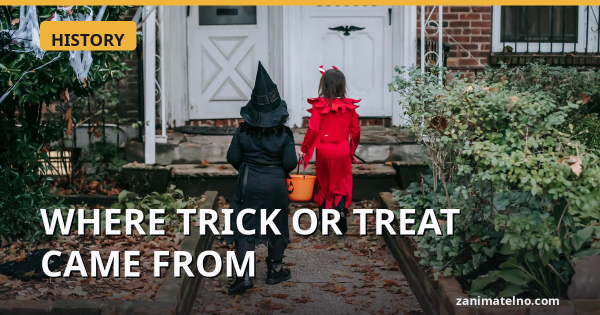
Souling and guising are old, but the words trick or treat first appear in Canadian papers from 1917 to 1927. In the 1930s US papers called it a shakedown; by the 1950s it was everywhere.
Orange and black were already “Hallowe’en colors” in 1913 newspapers. A crepe paper company’s yearly Bogie Book helped fix the look, and by 1923 it was simply “the usual way”.

The flying witch appears in church and court writings of the early 1400s; the first known picture dates from 1451. The broom was chosen because it was an ordinary household tool.
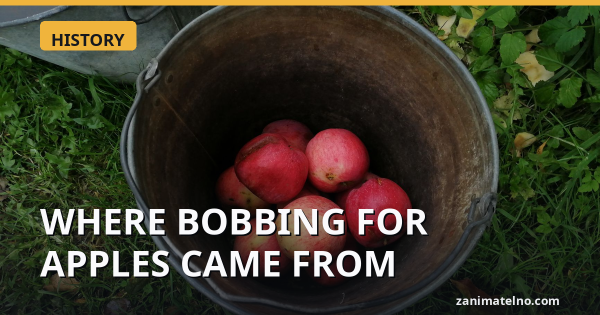
In Scotland it was dooking, in a washing tub on the kitchen floor. In Ireland apples spun on a wooden cross with lit candles, and the game named the night: Snap-Apple Night.

Candy corn dates from the 1880s and was sold as Chicken Feed, a farmyard joke in an age when corn was animal food. It only became the Halloween candy in the 1950s.

At Christmas 1862 a London science hall put a ghost on stage with a sheet of glass. Pepper’s ghost ran for fifteen months, earned twelve thousand pounds, and pointed the way to Disneyland’s Haunted Mansion.

Nuptial comes from a Latin verb meaning to veil. Roman brides wore a bright yellow veil; the white lace veil took off after Queen Victoria’s wedding in 1840.

Plutarch asked the same question about Roman weddings. His answers: the first Roman brides were carried in by force, modesty, and a sign that the bride would stay. In Rome, the escorts did the lifting.
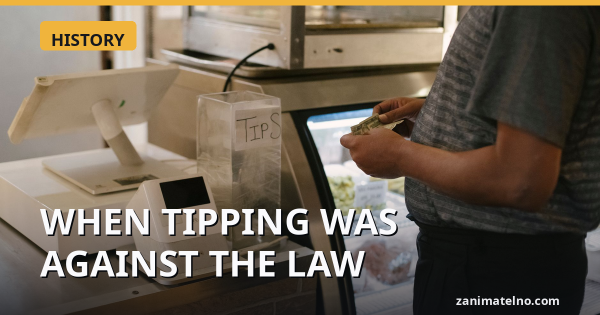
In 1916 several US states had laws against tipping and critics called it un-American. A Pullman manager explained why it survived; today federal law lets employers pay waiters $2.13 an hour.
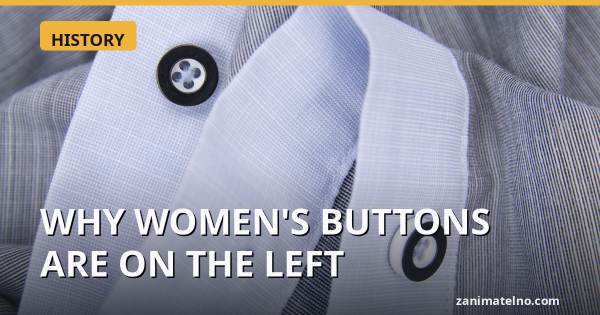
The famous answer is maids dressing rich women. But buttons were rare on women’s clothes before the 1800s, and the left-side rule may only date from ready-made blouses of the early 1900s.

In 1938 a theater textbook called popcorn fit only for cheap houses, and also the most profitable thing a theater could sell. The Depression and wartime sugar rationing settled the argument.
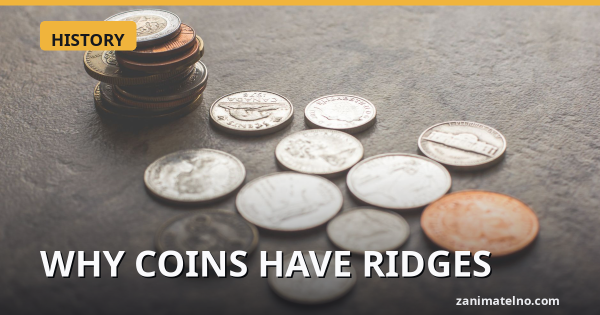
Ridged edges were invented to stop clipping, the crime of shaving silver off coins. In England it was a hanging offence, and Isaac Newton spent years hunting the clippers.

Fore is short for before, in the sense of in front. An 1887 golf glossary already defined it as a warning cry to anyone in the way of the stroke; the fore caddie and military theories are harder to prove.

The 2 is a hardness grade from the middle of the American scale, which goes back to the Thoreau family’s pencil business. There is no industry standard behind it, and the yellow paint came from a Koh-i-Noor pencil shown in Paris in 1889.
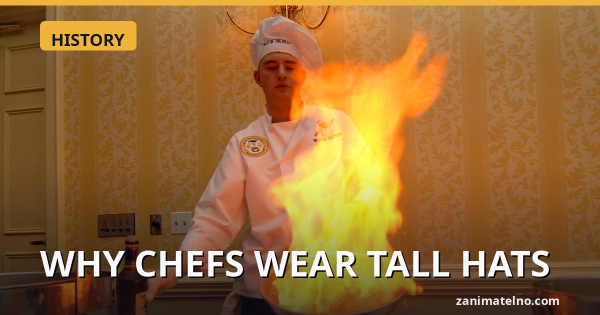
The tall white toque is usually credited to Marie-Antoine Carême, who stiffened his with cardboard. Escoffier later used hat height to mark rank in the kitchen.

Red barns started as a question of price: rust was the cheapest pigment a farmer could get. In 1922 Sears sold red barn paint for $1.43 a gallon, against $2.25 for other colours.

In 1898, fourteen years before the Titanic sank, a struggling writer published a novel about an unsinkable liner that hits an iceberg in April with too few lifeboats.
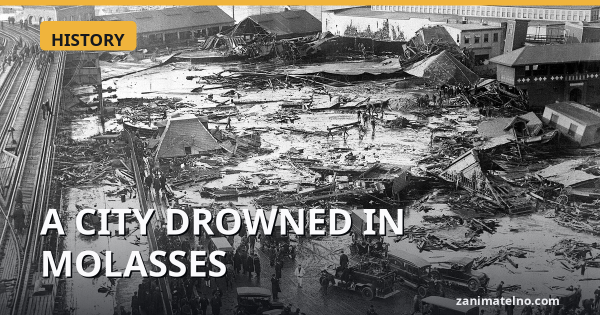
On a January afternoon in 1919 a five-storey tank in Boston split open and sent a wave of molasses through the streets at 35 miles an hour. It killed 21 people.

In 1932 Australia sent soldiers and two machine guns to fight the emus destroying its wheat crops. After six weeks the birds had won. Here is how the strangest war unfolded.
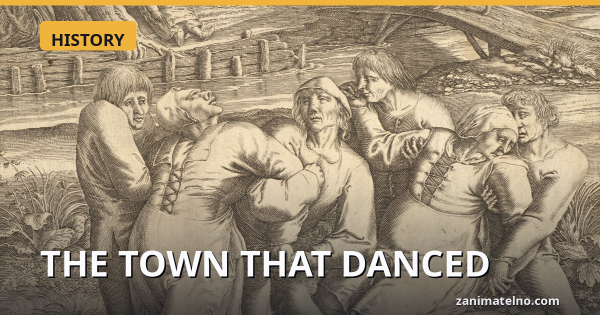
In 1518 a woman began to dance in the streets of Strasbourg and could not stop. Within weeks hundreds had joined her, and some reportedly did not survive it.
