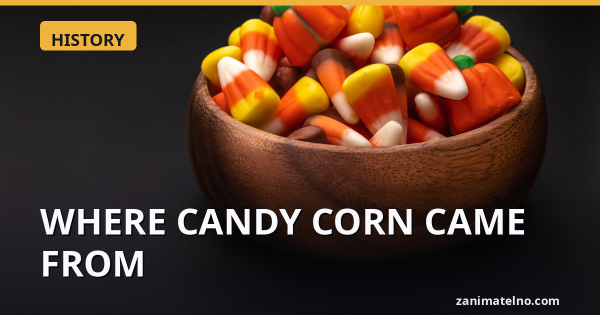
Candy corn dates from the 1880s and was sold as Chicken Feed, a farmyard joke in an age when corn was animal food. It only became the Halloween candy in the 1950s.

At Christmas 1862 a London science hall put a ghost on stage with a sheet of glass. Pepper’s ghost ran for fifteen months, earned twelve thousand pounds, and pointed the way to Disneyland’s Haunted Mansion.

The first record of the phrase is a 1921 essay about racing superstitions. The first clear theater use is from 1948, and the John Wilkes Booth story has no evidence behind it.

Fall began as the fall of the leaf in 16th-century England. The British later switched to autumn; Americans kept the older home-grown word.

Roger means the message was received. R stood for received, and from 1927 the US military spelled R as Roger. The alphabet moved on to Romeo, the word stayed.

Nuptial comes from a Latin verb meaning to veil. Roman brides wore a bright yellow veil; the white lace veil took off after Queen Victoria’s wedding in 1840.

Plutarch asked the same question about Roman weddings. His answers: the first Roman brides were carried in by force, modesty, and a sign that the bride would stay. In Rome, the escorts did the lifting.
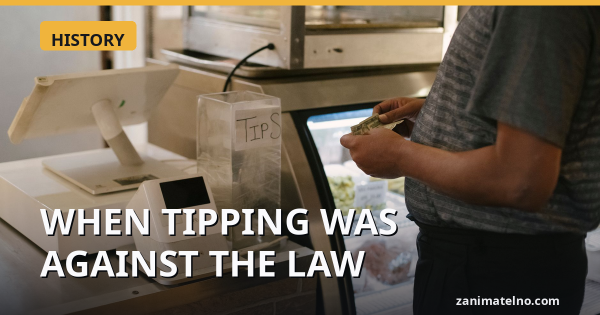
In 1916 several US states had laws against tipping and critics called it un-American. A Pullman manager explained why it survived; today federal law lets employers pay waiters $2.13 an hour.

The usual story says early Christians crossed fingers as a secret sign. Folklorists call that unfounded: the earliest written record of the gesture dates from 1912, and it is mostly British.
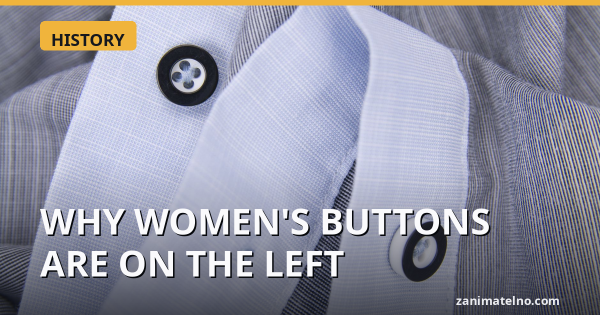
The famous answer is maids dressing rich women. But buttons were rare on women’s clothes before the 1800s, and the left-side rule may only date from ready-made blouses of the early 1900s.
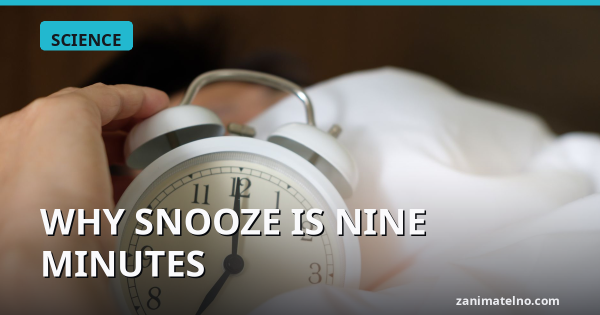
The first snooze alarm, GE’s 1956 Snooz-Alarm, promised ten minutes, not nine. A fixed nine appears with 1970s digital clock chips, and no maker ever explained why.
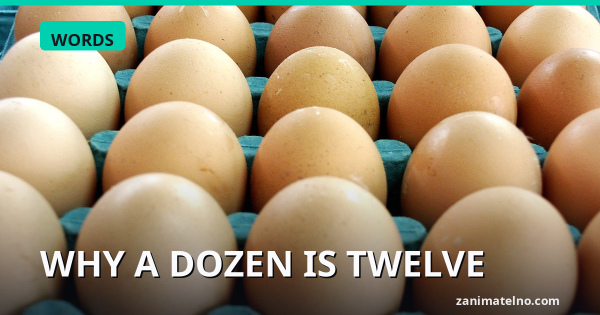
Dozen comes from the Latin for two plus ten. Twelve stuck because it splits into halves, thirds, quarters and sixths, and because you can count to it on the finger joints of one hand.

The oldest record of the sundae is an 1892 Ithaca advert for a Cherry Sunday, named after the day it was made. Two Rivers, Wisconsin, claims 1881. Where the spelling came from, nobody can show.

Federal rules require an ashtray by every airplane lavatory door. The FAA’s reason: some people still smoke, and a lit cigarette in the paper towel bin started fires in the 1970s.

In 1858 a cricketer took three wickets with three balls and was given a new hat. The phrase came from stage magic, reached print in 1865, and hockey later got a hat story of its own.

In 1938 a theater textbook called popcorn fit only for cheap houses, and also the most profitable thing a theater could sell. The Depression and wartime sugar rationing settled the argument.
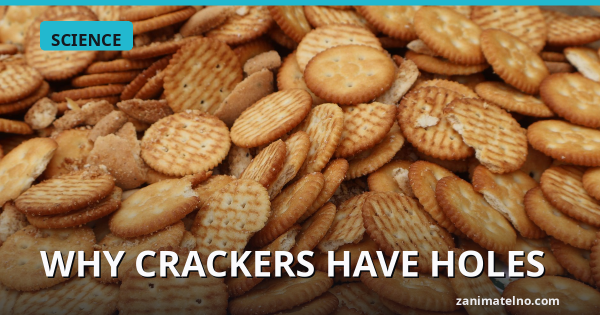
The holes, called docker holes, let steam escape while the cracker bakes. Without them the dough blisters into a lumpy pillow, as two snack and pizza patents explain.

Orange is the color the US road sign manual reserves for temporary work zones, and cones must be predominantly orange. The cone itself began as a 1941 patent made from old tires.
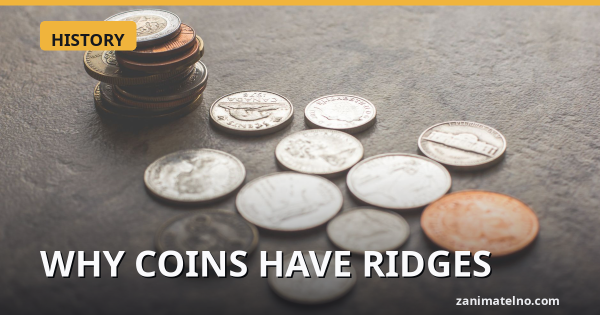
Ridged edges were invented to stop clipping, the crime of shaving silver off coins. In England it was a hanging offence, and Isaac Newton spent years hunting the clippers.
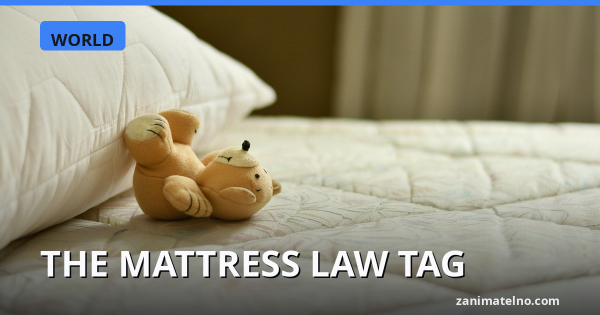
The do-not-remove warning on a mattress tag is aimed at sellers, not buyers. California’s required wording ends with except by the consumer, and the tag shows whether the filling is new or second-hand.
