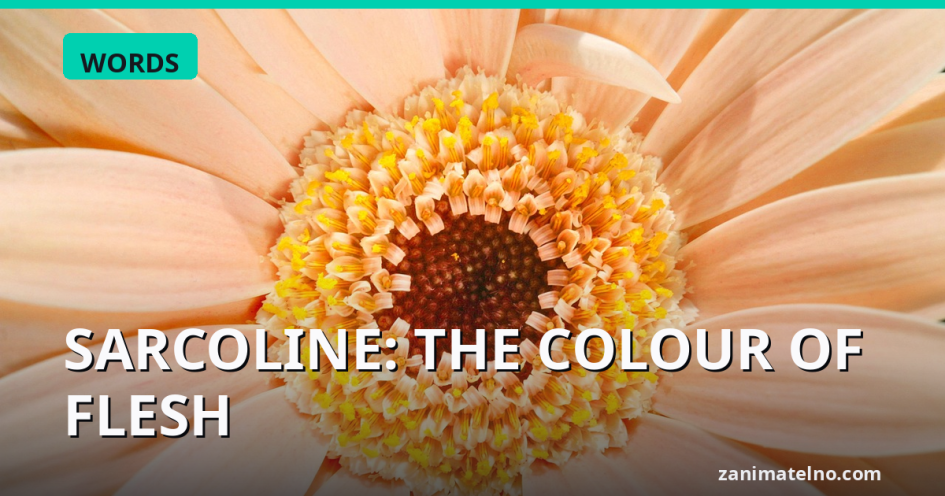
Sarcoline is a pale peach, hex code #FFDDAA, RGB 255, 221, 170. The name sounds like a medicine or a synthetic fabric. It actually means flesh-coloured, and it comes from the same Greek root as two much better known words: sarcophagus and sarcasm.
The colour and the code
Colour reference sites such as ColorsWall list sarcoline as #FFDDAA. In RGB that is full red, a lot of green and much less blue, which lands on a light, warm orange, somewhere between apricot and the inside of a peach.
Flesh, in Greek
The 1913 edition of Webster’s dictionary defines sarcoline in two words: “Flesh-colored.” It traces the word to the Greek sarx, genitive sarkos, meaning flesh, and marks it with the label “Min.”, for mineralogy. The label suggests sarcoline began as a term for describing the colour of rocks and minerals, not as a name dreamed up for paint or fashion.
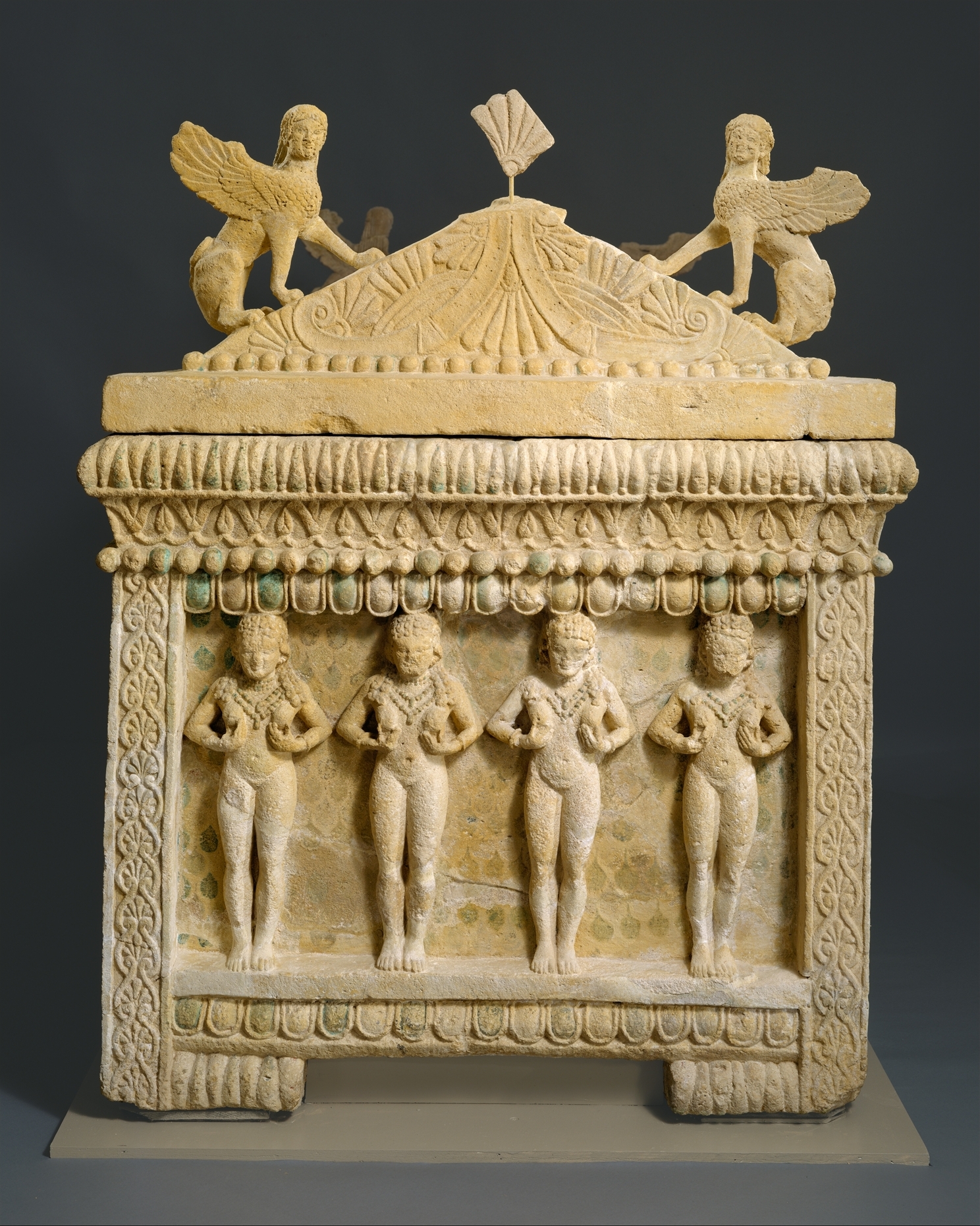
The same dictionary explains the relatives. A sarcophagus, from the Greek for “eating flesh”, was originally a kind of limestone the Greeks used for coffins, so called, Webster says, because it “consumed within a few weeks the flesh of bodies deposited in it”. Sarcasm comes from a Greek verb meaning to tear flesh like dogs, to bite the lips in rage, to speak bitterly. Sarcoline is the gentlest member of the family. It only describes the flesh.
A name that barely existed
Sarcoline was never a common colour name. We could not find it in A Dictionary of Color by A. Maerz and M. Rea Paul, the 1930 reference that tried to record practically every colour name then in use in English. Wiktionary tags the word as rare. Most of its recent life has been online, in lists of beautiful forgotten colour names and in hex-code generators.
Poets have noticed it. Wiktionary quotes Diane DeCillis, in a 2021 poem, recalling television shopping hosts “praising / colors you won’t find anywhere else: / sarcoline, flesh-colored to make your legs / look longer”. The joke works because the word is so grand for something so ordinary: a beige-peach sold as a discovery.
Whose flesh?
There is an awkward question inside the definition. Flesh-coloured assumes one skin tone, and sarcoline’s #FFDDAA is the pale end of the range. Crayola ran into the same problem with a crayon. According to Mental Floss, the company voluntarily changed the name of its “Flesh” crayon to “Peach” in 1962, influenced by the civil rights movement, both to head off legal trouble and to encourage children to draw a wider range of people.
Sarcoline never had to be renamed, because almost nobody used it. It survived as a mineralogist’s word and a curiosity for colour lovers. If you use it today, you are borrowing a term that once described the colour of a stone, and that shares a root with a coffin and a cutting remark.