
Nobody knows for certain why women’s shirts button on the left and men’s on the right. The most popular explanation is that rich women were dressed by maids, but that story has a serious problem. A duller explanation fits the evidence better: the habit may have become standard only when factories began making clothes in bulk, and nobody has bothered to change it.
The maid theory
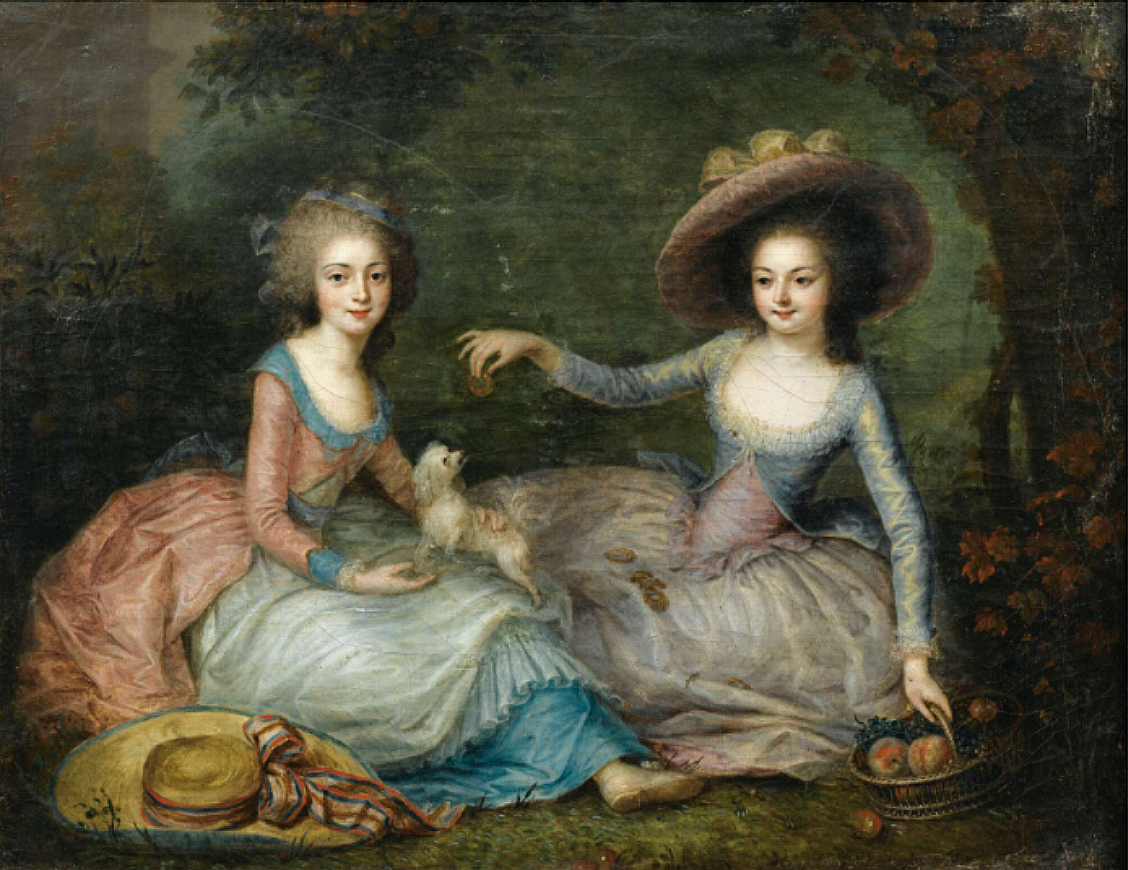
The story most people have heard goes like this. Wealthy European women wore complicated clothes and were dressed by servants. A right-handed maid facing her mistress would find buttons easier to fasten if they sat on the wearer’s left. Men dressed themselves, so their buttons stayed on their own right. Smithsonian Magazine, which surveyed the theories, notes that “to make it easier for servants (right-handed ones, that is) to button up their employers’ dresses, clothiers might have started sewing buttons on the opposite side.”
The magazine is careful to call this a theory. Its subtitle puts it bluntly: “Nobody knows for sure.”
The problem with the maid story
The blog History Myths Debunked takes the maid story apart. Its first point is that “buttons are seldom found on women’s clothing before the nineteenth century.” Women used ties, hooks and other fastenings. Most clothes were made at home or by individual dressmakers, so “individual preference prevailed in positioning buttons.” Curators of 19th-century women’s clothing, it reports, “have seen buttons on both sides.”
Its own guess is that the left-side rule “probably got started in the early twentieth century with the rise of women’s ready-made garments.” If that is right, the maid theory falls apart, because women buying cheap ready-made blouses were not the ones with maids. It also asks a fair question: wealthy men had valets, so why assume only women were dressed by servants?
For men, the same blog suggests that the right-side rule set in around the American Civil War, “when the manufacture of uniforms began on an industrialized scale.”
Swords, saddles and babies
Other explanations are easy to find, but none of the accounts we read offers firm evidence. One links men’s buttons to armor. Smithsonian quotes the Metropolitan Museum of Art’s book The Art of Chivalry: armor plates “overlapped from left to right, since it was standard fighting practice that the left side, protected by the shield, was turned toward the enemy.” A jacket that overlaps the same way would, in this view, simply follow the armor.
Another theory points to women riding sidesaddle, with the right side of the body facing forward: buttons on the left would keep the wind from blowing into the gap. A third says mothers tend to hold a baby in the left arm, so an opening that falls on the right is handier for nursing. All three sound reasonable. We found no document showing a tailor actually deciding anything for any of these reasons.
Why it never changed
Whatever started it, the reason it continues is clear enough. As Benjamin Radford wrote for Live Science, quoted by Smithsonian: “There’s no real reason the buttons couldn’t be switched. It’s just that nobody has bothered to change a tradition that few people notice or complain about in the first place.”
If History Myths Debunked is right, the left-hand button for women is not a relic of maids at all. It is simply the way ready-made clothing settled about a century ago, and it has stayed that way since.