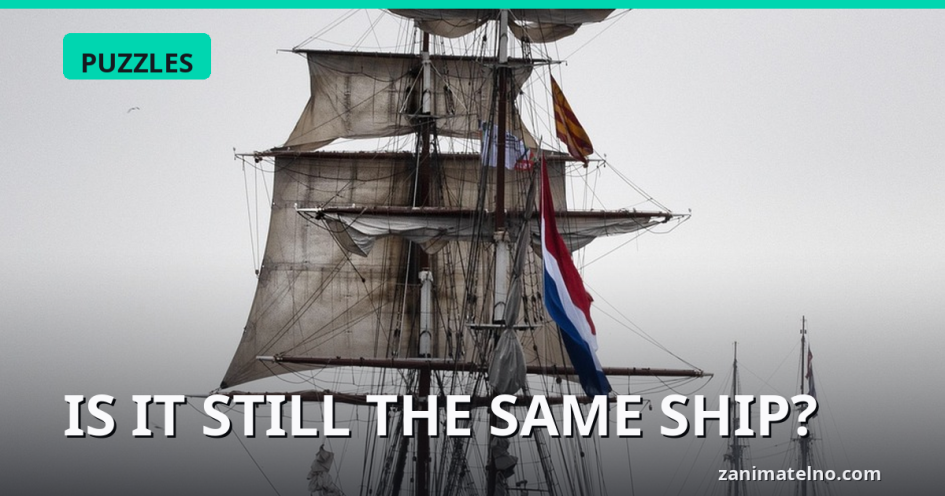
A wooden ship sits in a harbour, kept as a monument. Over the years its planks rot and are replaced one at a time, each with a fresh piece of identical wood. Eventually not a single original plank remains. Every part is new. Is it still the same ship?
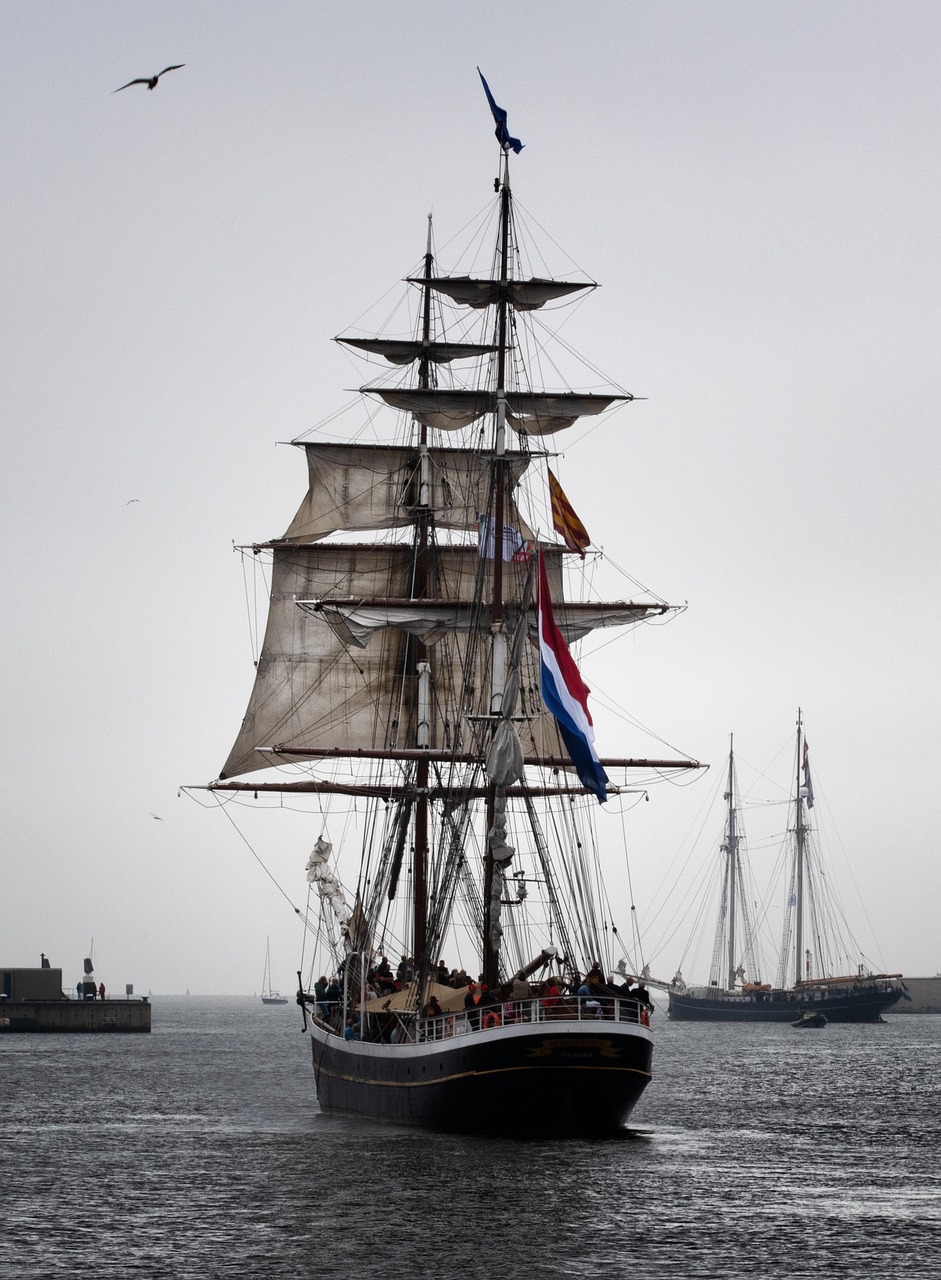
This is the Ship of Theseus, one of the oldest puzzles about identity, and it was written down nearly two thousand years ago by the Greek biographer Plutarch, who described exactly this kind of monument and the debate it stirred among philosophers. If you say yes, it is the same ship, then a thing can survive having every one of its parts swapped out. If you say no, then you have to explain at which single plank it stopped being itself, and no such plank seems to exist.
Centuries later the English philosopher Thomas Hobbes added a twist that makes the puzzle genuinely vicious. Suppose that as each rotten plank was pulled off the ship, someone quietly kept it, and once all the originals had been removed, reassembled them into a second, complete ship. Now you have two vessels. One has continuity: it never left the harbour and was repaired piece by piece. The other is built from every original plank. Which one is the real Ship of Theseus?
There is no answer that satisfies everyone, and that is the point. The puzzle exposes a crack in the everyday idea that an object has a single, fixed identity that travels with it through time. A ship, it turns out, might be its continuous history, or its original material, and those two things can be pulled apart and parked in different harbours.
The reason this ancient riddle refuses to age is that it is not really about ships. Your own body replaces its cells constantly, so the material you are made of now is largely not the material you were made of a decade ago. By Plutarch’s question, are you the same person you were as a child? You have the continuity, the unbroken thread from then to now, but almost none of the original planks. The ship in the harbour is asking about you.