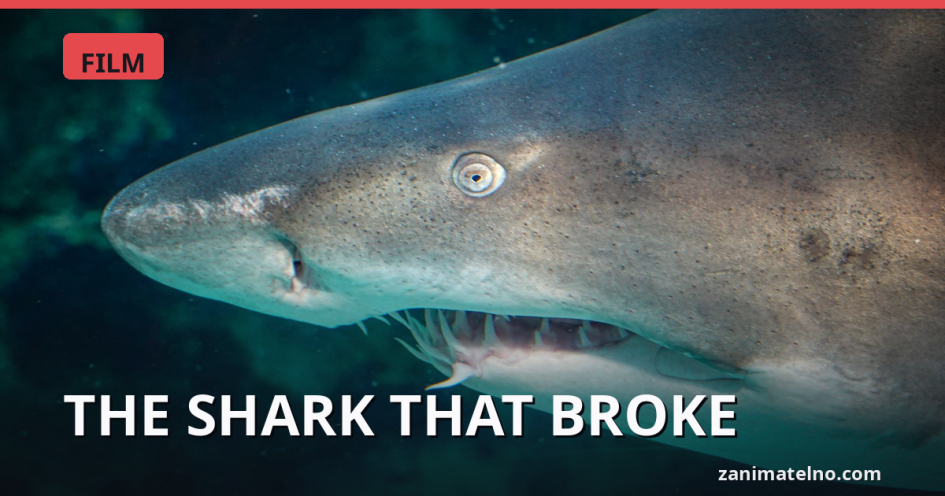
The most frightening thing about Jaws is how little of the shark you actually see. For most of the 1975 film the monster is a fin, a shadow, a lurch of the water and two ominous notes of music. That restraint is now taught as a masterclass in suspense. It happened mostly because the shark did not work.
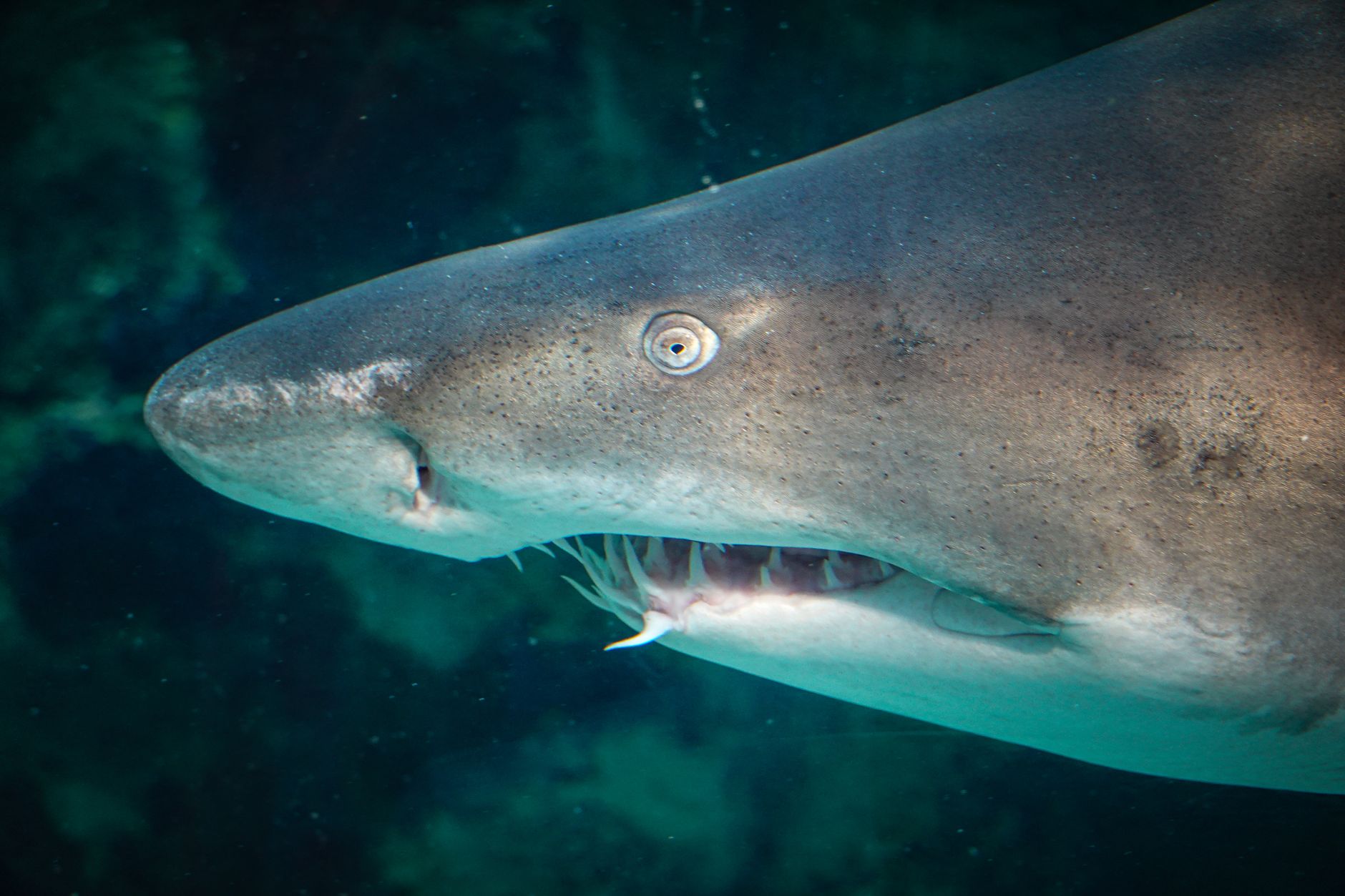
Steven Spielberg had ordered three full-size mechanical great whites for the shoot, and the crew nicknamed them all Bruce, after the director’s lawyer. The problem was that the sharks had been built and tested in fresh water, then dropped into the salt water of the open sea. Within a week the salt had chewed through Bruce’s electric motor. The metal corroded inside and out, sea water seeped into the pneumatic hoses that were meant to move him, and on his first outing one model simply sank to the bottom.
For a young director on only his second feature, this was a catastrophe. The film was built around a shark, the shark was a temperamental wreck, and both the schedule and the budget were spiralling. Spielberg had to shoot around the very creature he had been counting on to appear constantly.
So he hid it. Instead of the shark, he gave audiences the point of view of the shark, gliding up toward swimmers’ legs from below. He gave them a yellow barrel dragged across the water by something unseen. Above all he gave them John Williams’s two-note theme, that slow, climbing pulse that tells you the thing is coming without ever showing it. Spielberg himself compared the approach to Alfred Hitchcock, who knew that what an audience imagines is worse than anything you can put on screen.
When the shark finally does appear, late in the film, it lands like a hammer, precisely because you have been starved of it for an hour. A fully working Bruce would have been trotted out early and often, and would almost certainly have looked like the rubber puppet it was. The malfunction forced the better film into being. Jaws frightened a generation, and invented the summer blockbuster, on the strength of a shark that could barely swim.