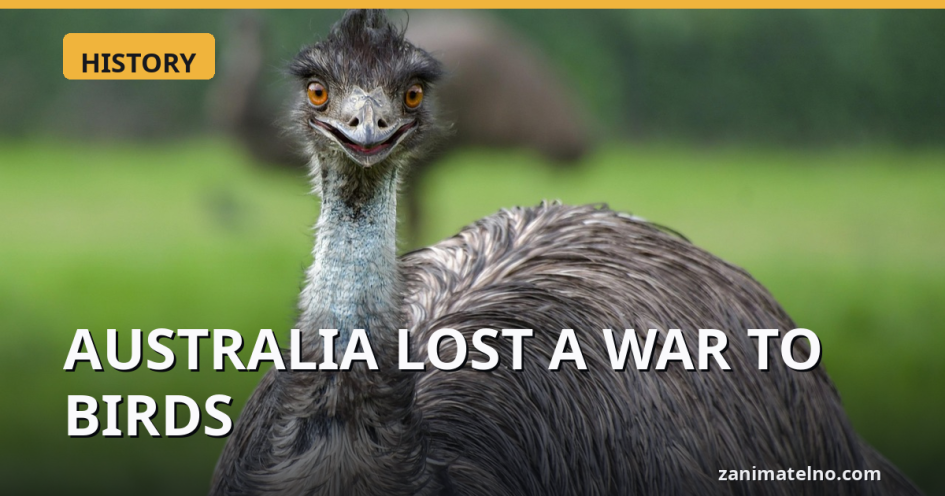
In November 1932, three soldiers crouched in a wheat field in Western Australia behind a pair of machine guns, waiting for the enemy to walk into range. The enemy was about a thousand emus: tall, flightless, fast, and completely indifferent to the artillery of the Commonwealth. When the guns opened up, the birds scattered into the scrub and went on eating the wheat. Six weeks later the army went home and the emus were still there. It remains the only war on record that birds officially won.
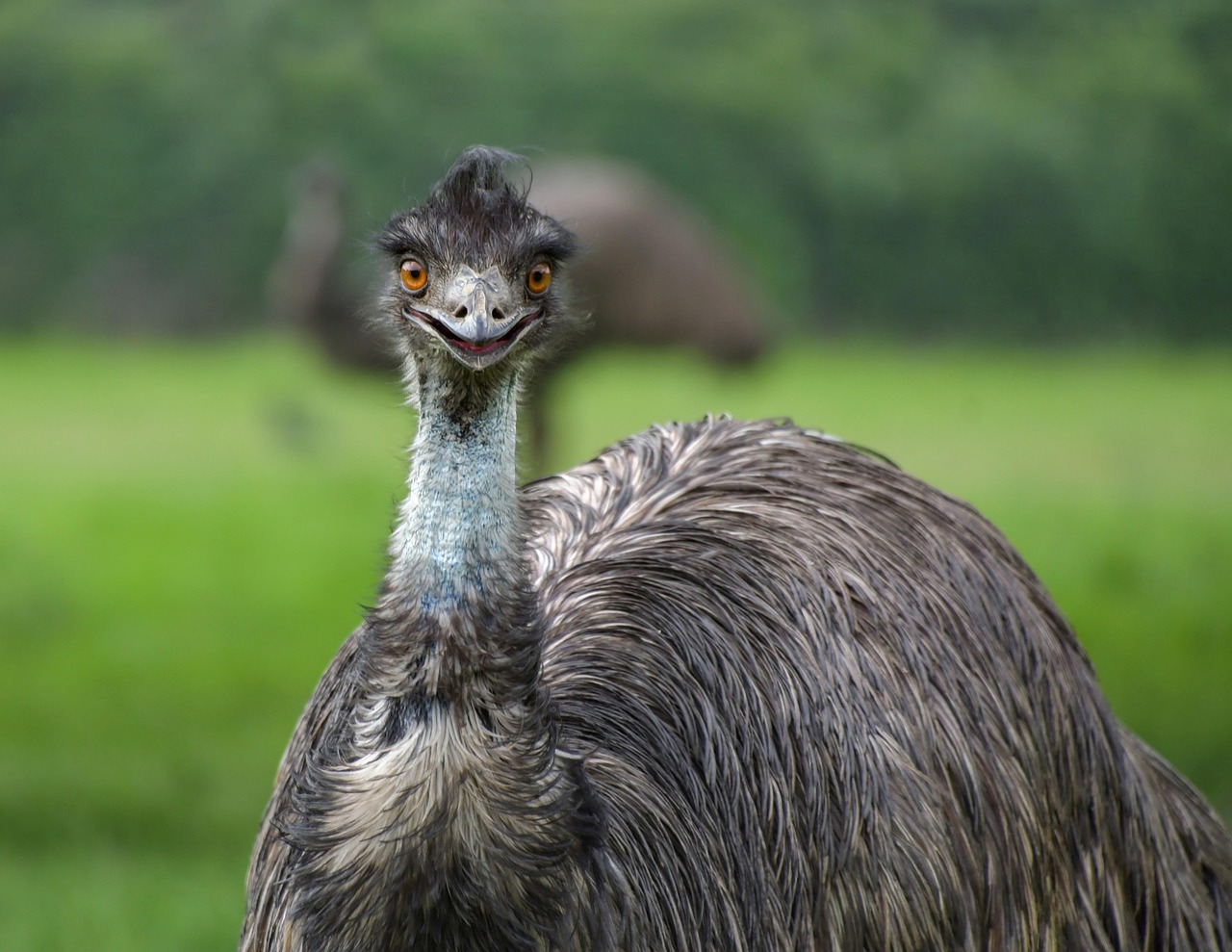
Why a country declares war on a bird
The trouble began with drought. In 1932 an unusually dry season pushed around 20,000 emus out of the interior toward the coast, where they found something new and delicious: freshly cultivated wheat fields in the Campion district. The birds trampled fences, flattened crops, and left gaps that rabbits poured through.
The farmers hit hardest were mostly ex-servicemen, men handed marginal land after the First World War who were now watching their livelihoods eaten during the Great Depression. They knew exactly what machine guns could do, and they asked the government for some. Remarkably, the Minister of Defence, Sir George Pearce, agreed. The emus would be a job for the army.
Sending in the artillery
The campaign went to Major G.P.W. Meredith of the Seventh Heavy Battery, Royal Australian Artillery, with two men under him: Sergeant S. McMurray and Gunner J. O’Halloran. Their arsenal was two Lewis guns and ten thousand rounds of ammunition. On paper it was overwhelming force. A Lewis gun could fire hundreds of rounds a minute; the emus had feathers. There was even a plan to film the operation for the newsreels, so the public could watch the army make short work of the pests. The cameras would record something else.
Where it all fell apart
The first real engagement came on 4 November. The soldiers set an ambush near a dam where the emus came to drink and waited until a large flock, perhaps a thousand birds, had gathered in range. Then they opened fire.
Almost at once, one of the two guns jammed after only a handful of rounds. In the seconds that bought them, the emus did the one thing nobody had planned for: they broke apart. Instead of a single mob standing still to be cut down, the flock split into small scattered groups running in every direction at nearly fifty kilometres an hour. A machine gun is built to stop massed men advancing in a line. Against dozens of separate targets sprinting through the brush, it is close to useless.
It got stranger. Meredith noticed the birds seemed to organise. Each small group, he reported, appeared to keep a lookout, a large bird that stood watch while the others fed and signalled when the soldiers came near. The gunners bolted a Lewis gun to a truck to chase them, but the truck could not keep up over rough ground and the ride was far too rough to aim from. The emus outran the Commonwealth of Australia.
Watching his men empty belt after belt for almost nothing, Meredith arrived at a grudging respect that he committed to writing:
If we had a military division with the bullet-carrying capacity of these birds it would face any army in the world. They can face machine guns with the invulnerability of tanks. They are like Zulus whom even dum-dum bullets could not stop.
The final count
The numbers tell it better than any speech. By 8 November, six days in, the soldiers had fired about 2,500 rounds and killed somewhere between 50 and 200 birds, and nobody could say exactly, because most of the wounded ran off to die out of sight. The results were embarrassing enough that the Minister of Defence pulled the operation the same day, and the whole affair was openly mocked in the press and in parliament.
Farmer pressure brought the guns back on 12 November, and the second round ran until 10 December. In his final report Meredith claimed 986 emus killed for 9,860 rounds fired: a tidy and damning ratio of exactly ten bullets per confirmed bird. He also claimed another 2,500 later died of their wounds, a figure no one has been able to verify. Set against twenty thousand emus, even the generous count barely touched the problem. Meredith was recalled, and the farmers were left to handle the birds the way they always had, with bounties and fences.
Why we still tell it
The Great Emu War lasted a little over a month and killed, at best, a few thousand of the twenty thousand birds it set out to defeat. As pest control it failed. As a story it is immortal, because here the punchline is also the historical record: a modern army, with machine guns and a plan to film its victory, was beaten by a flock of birds too disorganised to stand still and be shot. The emus never knew they were at war. They just kept eating, kept running, and kept winning, ten rounds at a time.