
Pick a giant, messy pile of real numbers: the lengths of every river, the populations of every town, the figures on thousands of tax returns. Look only at the first digit of each number. You might expect the digits 1 through 9 to show up about equally, each roughly 11 per cent of the time. They do not. The digit 1 appears first about 30 per cent of the time, while 9 turns up first less than 5 per cent of the time.
This lopsided pattern is called Benford’s law, and it holds across an astonishing range of data, from stock prices to physical constants to the numbers buried in a country’s accounts. The precise rule is that the chance of a first digit being d is the logarithm of one plus one over d, which hands the digit 1 its commanding 30.1 per cent share and steadily starves the larger digits.
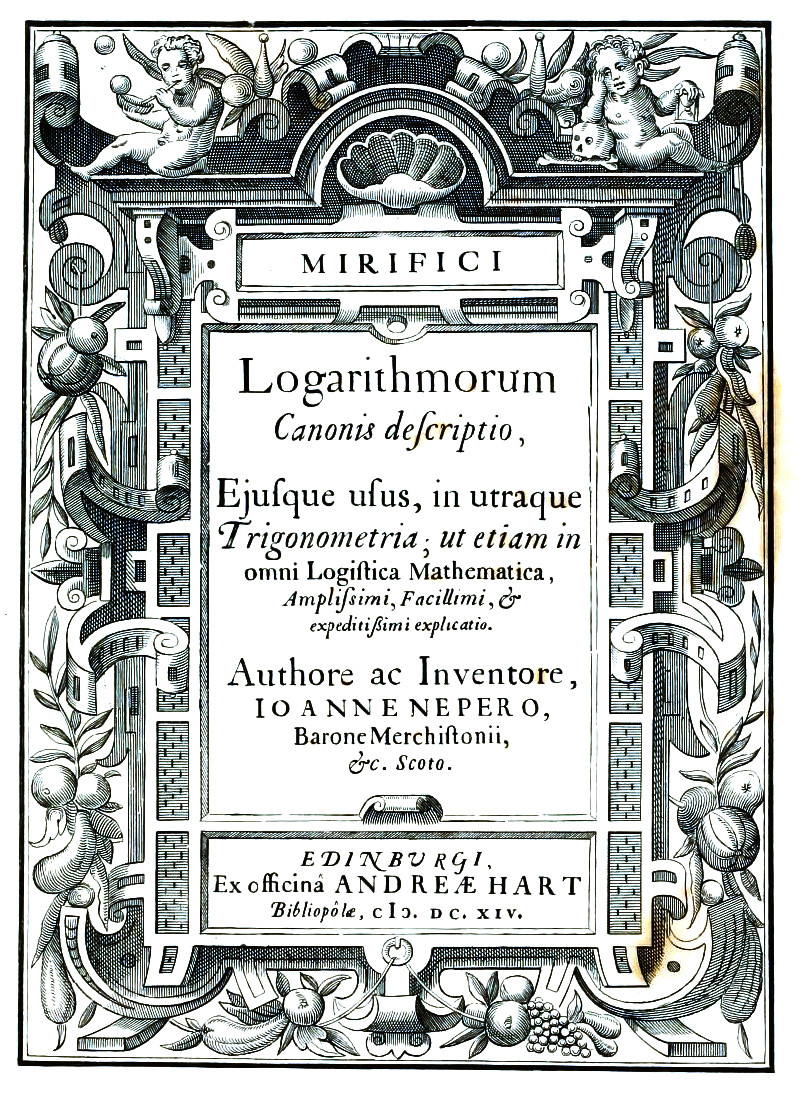
The story of who found it is itself a small lesson in credit. In 1881 the astronomer Simon Newcomb noticed that the early pages of printed logarithm tables, the ones starting with 1, were far grubbier and more worn than the later pages. People were clearly looking up numbers that began with low digits much more often. He wrote it up, and the world ignored him. Fifty-seven years later, in 1938, the physicist Frank Benford stumbled onto the same effect, tested it against twenty different datasets, and got his name attached to it forever.
Why it happens takes some mathematics, but the intuition is that many natural quantities grow by percentages rather than fixed steps, so they spend more time passing through the low-digit stretches than the high ones. A sum growing at a steady rate lingers a long while in the hundreds before it reaches the two hundreds, and longer still before it clears nine hundred.
The practical payoff is real. Because genuine data obeys Benford’s law so reliably, numbers invented by a human tend to break it. People making up fake figures spread their first digits too evenly, or lean on the middle ones. Forensic accountants and election watchers now run Benford tests on suspicious books and ballot counts, letting a pattern first spotted in the 1880s quietly flag the work of a liar.